
How Often Does a Septic Tank Need Pumping?
Every 3 to 5 years for a standard residential tank, and tank size and household size are what actually decide the interval, not a calendar reminder. A bigger household fills a tank faster, which is why our how many porta potties do I need guide uses the same household-size logic for restroom counts. A smaller tank fills faster too, no matter who's living there. If you're on a well and septic setup outside city sewer lines, Elgin Porta Pros can walk your property and give you a realistic schedule instead of a guess. Businesses with grease-heavy kitchens are a different animal: a grease interceptor gets pumped once fats, oils, grease and solids reach 25 percent of the liquid depth, which can mean monthly or quarterly service, not years. If you run a restaurant or commercial kitchen, check our grease trap pumping page for that separate schedule. For homeowners doing a renovation or addition, our home renovation porta potty page covers keeping a toilet on site while the septic line is disturbed. Curious what drives the number itself? Our how often to pump a septic tank guide breaks down the math tank size versus household size in more depth.
What Are the Warning Signs a Septic Tank Needs Pumping?
Slow drains, gurgling pipes, standing water near the drain field and sewage odor near the tank lid are the four signs that mean call now, not next month. Ignore them and the backup happens inside the house, usually at the worst time. A soggy patch of lawn over the tank or drain field, especially after a dry week, is another tell. So is a toilet that takes longer to refill than it used to. None of these are subtle once you know to look, but most homeowners in Elgin don't check until something backs up. We cover the fuller list on our septic tank warning signs page, and if you're already past warning signs and into an active backup, our emergency septic service page is the faster path to a truck on your property. A tank that's never been pumped and is more than 5 years old is worth a look regardless of symptoms.

What Does a Septic Pumping Service Include?
A real septic pumping service includes locating and uncovering the access lid, pumping the tank fully, and a visual check of the baffles and tank walls while the crew is down there. That visual check is what catches a cracking baffle or a root intrusion before it becomes a collapsed line, similar to how our septic tank warning signs page describes spotting trouble early. Some crews stop at just pumping and skip the inspection, which is a mistake for you long term even if it's faster for them. Elgin Porta Pros logs tank condition on every visit so you've got a record for the next pumping cycle, useful if you ever sell the house. If your property runs on a holding tank instead of a leach-field septic system, service differs some, and our holding tank rental page explains that setup. For general potable water and sanitation baseline on a work site, OSHA 1926.51(a)(1) requires an adequate supply of potable water at all places of employment, which matters if you're running a construction crew near an active septic line. See construction site services for how that intersects with a jobsite.
How Much Does Septic Tank Pumping Cost?
| service | duration | low | typical | high |
|---|---|---|---|---|
| septic pumping | day | $150 | $250 | $300 |
| septic pumping | weekend | $50 | $100 | $150 |
A standard 1,000 gallon septic tank pumping in Elgin runs in that day-rate band, and the final number depends on tank size, how deep the lid is buried, and how long since the last pumping. A tank that hasn't been serviced in 8 years and is packed solid takes longer and costs more than one on a normal 3-year cycle, the same kind of overdue-service math we cover on our dumpster rental cost page for debris jobs. Weekend rates apply when the job can't wait for a weekday slot, much like the weekend pricing on our porta potty rental per day page. For a broader breakdown by tank size and access difficulty, our septic tank pumping cost page has more detail than we can fit here. If you're comparing this against portable sanitation spend for a property under renovation, our porta potty rental cost page and monthly porta potty rental page cover that side. Grease trap pumping is priced separately and isn't in this table; see the grease trap pumping page for that.
Do You Offer Holding Tank Service for Properties Without Septic?
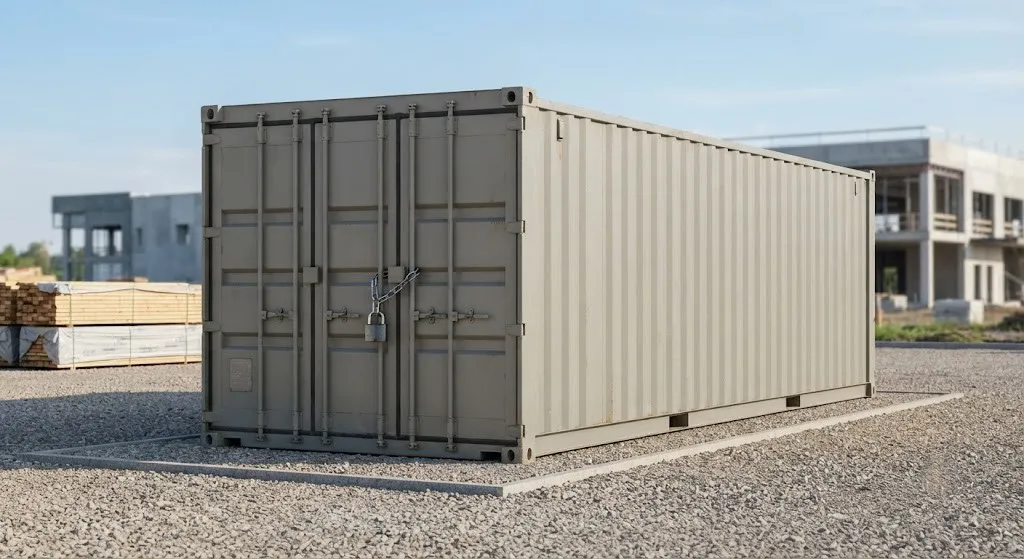
Yes. Some properties, particularly ones under construction or waiting on a septic permit, run on a holding tank instead of a full septic system, and that tank still needs regular pumping same as a septic tank does. The service itself looks similar: a truck comes out, pumps the tank, and checks the fittings. The difference is holding tanks fill faster since there's no leach field handling overflow, so the interval is often shorter than the 3 to 5 year septic cycle, worth factoring in alongside a storage container rental if the same site needs secure equipment storage. Our holding tank rental page covers rental terms if you don't have one installed yet. This setup shows up often on farms and agricultural properties too, where OSHA 1928.110 requires potable water, toilets and handwashing for hand-labor employees at one facility per 20 workers, within a quarter mile walk; see farm and agricultural restrooms for how that pairs with holding tank service. Film crews working remote Elgin locations often need the same setup, covered on our film set restroom rental page.
Is Emergency Septic Pumping Available in Elgin?
Yes, and it's the service to call the moment you see standing water, backup, or sewage smell rather than waiting for a scheduled slot. A backed-up septic system doesn't wait for business hours, and neither do we, the same urgency that drives our handwashing station rental page for sites that lose water service mid-project. Elgin Porta Pros dispatches for emergency pumping across Elgin proper, and also reaches nearby communities: Carpentersville sits 3.5 miles east, Streamwood is 9.4 miles southeast, Hoffman Estates is 10.1 miles east, Bartlett is 13.9 miles east, and Palatine is 15.5 miles southeast. Our emergency septic service page has more on response and what to do while you wait for the truck: stop running water, keep people off the affected area, don't try to open the tank lid yourself, and if the site also needs a temporary fence rental to keep people clear while the truck works, we can bring that too. If your emergency is a portable toilet failure instead of septic, our emergency porta potty rental page covers that faster-turnaround scenario. Disaster situations involving damaged sanitation infrastructure fall under our disaster relief sanitation page.
Elgin Porta Pros also handles the sanitation side of active jobsites, weddings and public events around the pumping work. If your project needs portable restrooms alongside septic service, start at portable toilet rental or the main Porta Potty Rental in Elgin, IL page, or go city-specific with Porta Potty Rental in Elgin, IL. Construction crews frequently need both a septic pump-out and a bank of toilets on the same schedule, and our construction dumpster rental, roll-off dumpster rental and 10 yard dumpster rental pages cover the debris side of that same job, with light tower rental available for crews working early or late hours. Event organizers planning around a septic-served venue should check event restroom rental or, for something more specific, wedding restroom rental and festival restroom rental. If you need a full walkthrough of what a job like this requires before you request a quote, our porta potty rental checklist is a good starting point, and you can request a quote directly once you know your tank size and access situation.
How much does septic tank pumping cost near me?
A standard 1,000 gallon tank pumping in Elgin typically runs 150 to 300 dollars for a day-rate visit, with weekend service in the 50 to 150 dollar range. Final cost depends on tank size, lid depth, and time since the last pumping.
How often should a 1,000 gallon septic tank be pumped?
Every 3 to 5 years for most households, though household size and tank size shift that window. A larger household on a smaller tank needs pumping more often than a small household on a large tank.
What's the difference between septic pumping and grease trap pumping?
Septic pumping empties a residential tank on a multi-year cycle. Grease trap pumping happens far more often, once fats, oils, grease and solids hit 25 percent of the liquid depth, often monthly for busy kitchens.
Can I schedule septic pumping and porta potty rental together?
Yes. Elgin Porta Pros handles both, which is common on renovation and construction sites where the septic line is out of service temporarily. Check home renovation porta potty for that combined setup.
What happens during a septic pumping visit?
A crew locates and uncovers the tank lid, pumps the tank fully, and does a visual check of baffles and walls. That inspection step catches developing problems before they turn into backups or field failures.
Do holding tanks need pumping as often as septic tanks?
Usually more often. A holding tank has no leach field to handle overflow, so it fills faster than a comparable septic tank. Interval depends on tank size and daily use, not a fixed calendar rule.
Next step
Get a delivery date
Tell us the address, the dates and the headcount. We size the order and confirm the route.